A Guide to Customizing Your Catering Menu for Dietary Needs
When planning an event, food is one of the most important details. Guests remember whether they felt included and comfortable eating what was served. Today, dietary needs are common and expected to be accommodated. This includes food allergies, medical restrictions, lifestyle choices, and cultural preferences.
Customizing a catering menu for dietary needs is no longer optional. It is part of good event planning. Whether you are hosting a wedding, corporate event, family gathering, or large celebration, understanding how to plan an inclusive menu helps ensure every guest feels considered.
Common Dietary Needs to Plan For
Every event is different, but there are several dietary needs that appear consistently across guest lists. Identifying these early helps avoid last-minute changes and confusion.
The most common dietary considerations include:
Gluten free
Dairy free
Vegetarian
Vegan
Nut allergies
Soy allergies
Egg allergies
Low carb or keto
Religious or cultural restrictions
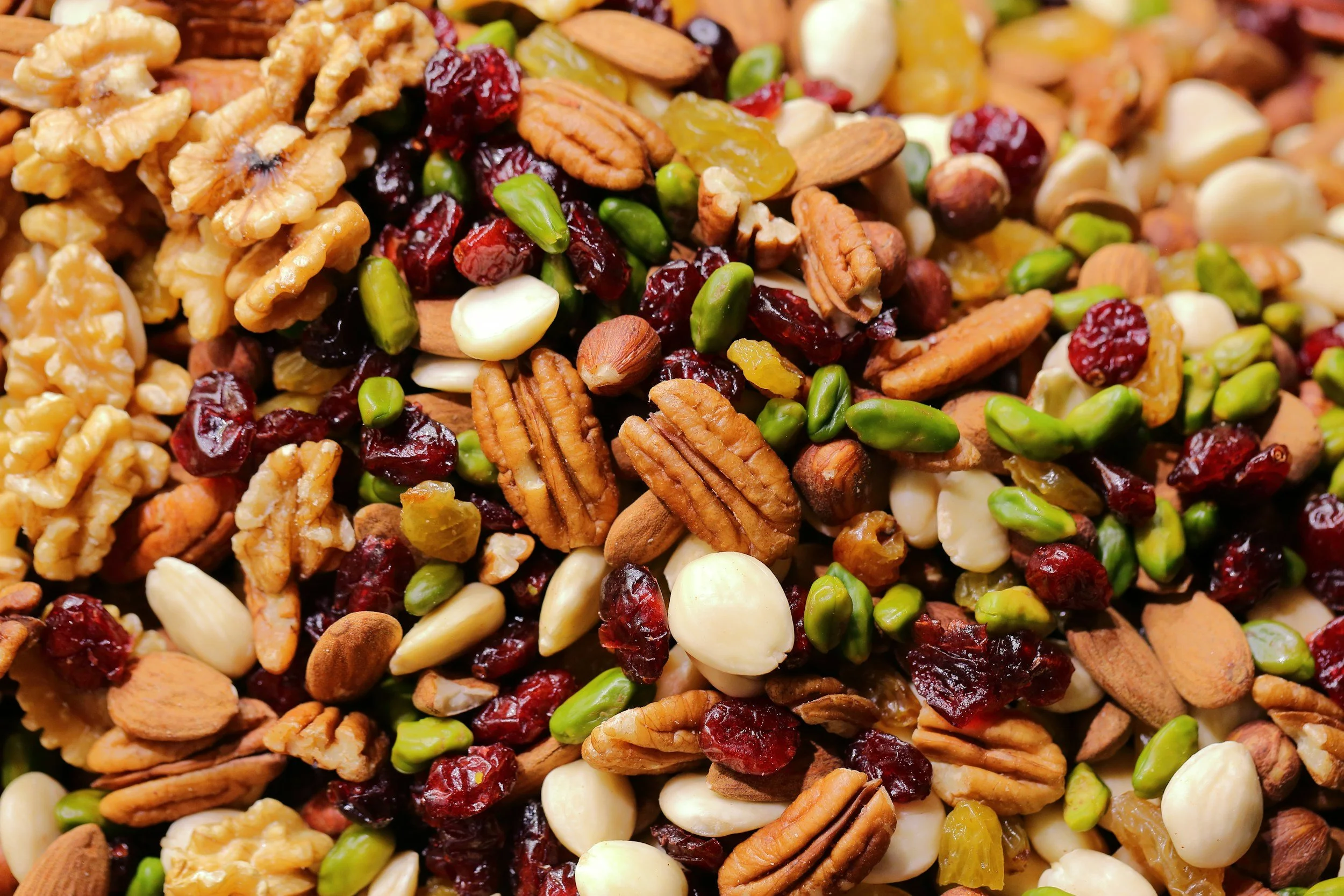
Crystal’s Catering works with hosts to identify these needs during the planning stage so menus can be adjusted without sacrificing variety or quality.
How to Gather Dietary Information From Guests
The easiest way to customize a catering menu is to gather dietary information early. Waiting until the final week can create unnecessary stress and limit menu options.
Effective ways to collect dietary needs include:
Adding a dietary question to RSVP cards
Including a dietary preference field in online invitations
Asking corporate planners to provide a guest dietary list
Requesting allergy disclosures ahead of time
Clear communication helps the catering team prepare appropriate substitutions and ensures food is served safely.
Designing a Menu That Works for Everyone
A well-planned catering menu does not separate guests or make dietary options feel like an afterthought. Instead, it offers flexibility and balance so most guests can enjoy the same core dishes.
Successful inclusive menus often include:
Proteins that are naturally gluten free
Side dishes that can be prepared dairy free
Vegetable dishes that work for vegan and vegetarian guests
Sauces and toppings served on the side
This approach reduces the need for separate meals while still meeting dietary needs.
Allergy Safety and Cross-Contamination Awareness
Food allergies require careful planning and clear processes. Even small amounts of cross-contamination can cause serious issues for guests with allergies.
Catering teams should:
Prepare allergen-free dishes separately
Use clean equipment and surfaces
Clearly label allergen-friendly items
Train staff to answer guest questions confidently

Crystal’s Catering prioritizes safe preparation practices to protect guests with allergies while keeping service smooth and professional.
Gluten Free Catering Without Sacrificing Flavor
Gluten free options are one of the most requested menu adjustments. Many traditional catering dishes can be made gluten free with minor modifications.
Common gluten free catering options include:
Grilled meats and vegetables
Rice-based dishes
Potatoes prepared without flour
Corn tortillas instead of flour tortillas
Offering gluten free options that blend into the main menu helps guests feel included and avoids drawing attention to restrictions.
Vegan and Vegetarian Catering Options
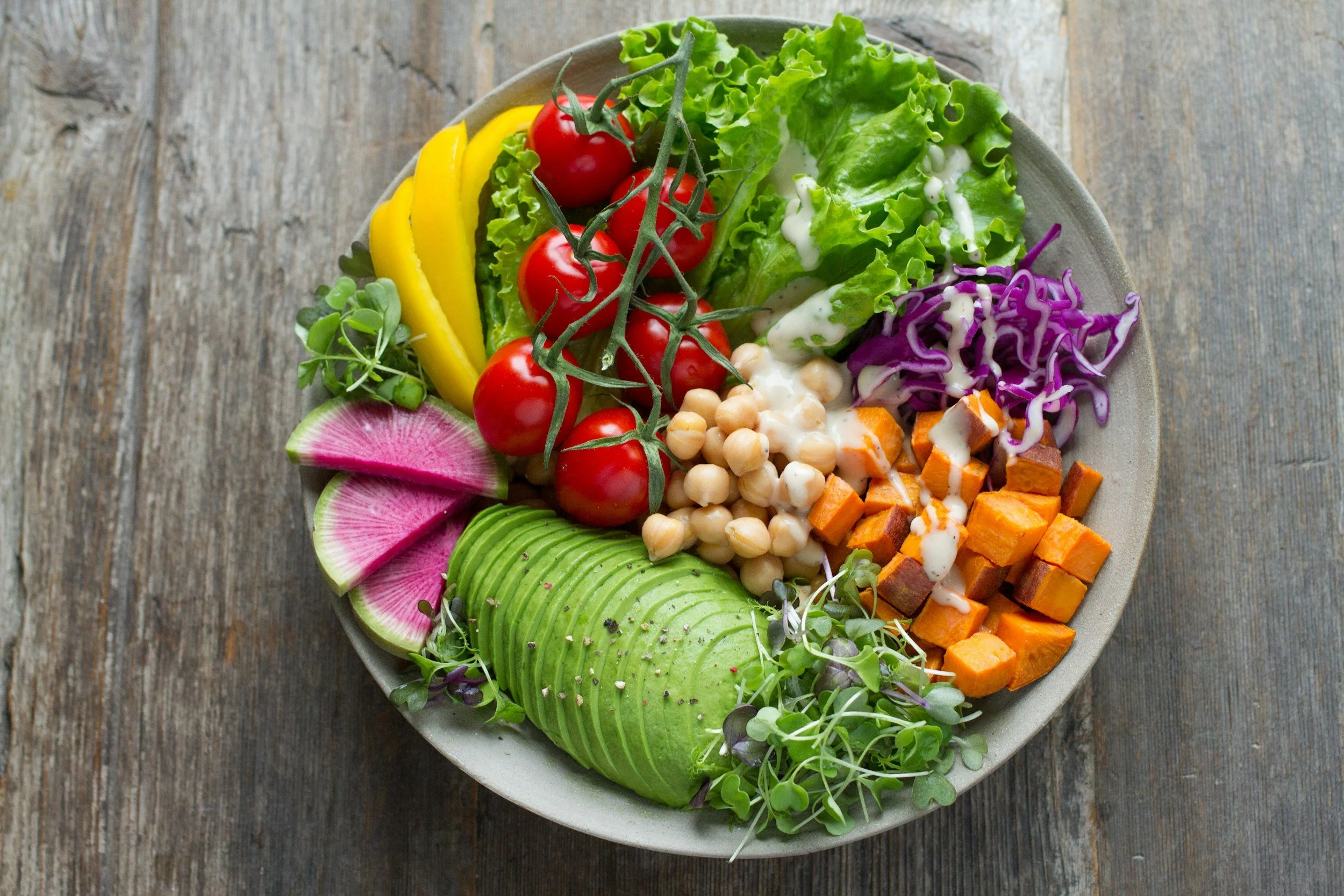
Plant-based catering is increasingly requested for health, ethical, and environmental reasons. Vegan and vegetarian options should feel intentional, not like a reduced version of the main menu.
Strong plant-based catering focuses on:
Balanced proteins such as beans and legumes
Roasted vegetables with seasoning
Grain-based salads
Dairy-free sauces and dressings
When planned correctly, plant-based dishes are enjoyed by all guests, not just those with dietary restrictions.
Accommodating Low Carb and Keto Diets
Low carb and keto diets focus on minimizing sugars and starches. These options are especially common at corporate events and adult gatherings.
Catering adjustments may include:
Protein-forward dishes
Vegetable sides instead of bread
Sauces without added sugars
Lettuce wraps instead of buns
Including low carb options allows guests to stay consistent with their dietary goals while enjoying the event.
Labeling and Communication During the Event
Clear labeling reduces confusion and helps guests feel confident selecting food. This is especially important for buffet-style events and food stations.
Helpful labeling practices include:
Identifying gluten free or dairy free items
Marking common allergens
Listing vegan or vegetarian dishes
Providing staff nearby to answer questions
Good communication prevents mistakes and improves the overall guest experience.
Custom Menus for Different Event Types
Different events call for different levels of customization. Weddings often require more detailed planning, while corporate events prioritize efficiency and clarity.
Examples include:
Weddings with plated allergy-specific meals
Corporate lunches with labeled buffet stations
Family events with flexible food stations
Large gatherings with multiple dietary-friendly options
Crystal’s Catering works with each client to match menu customization to the event style and guest count.
Working With a Caterer Who Understands Dietary Needs
The key to successful menu customization is working with a catering team that understands both food preparation and guest experience. A knowledgeable caterer will guide menu decisions, ask the right questions, and plan ahead.
Crystal’s Catering helps clients:
Identify dietary needs early
Design inclusive menus
Maintain food safety standards
Deliver smooth service on event day
Final Thoughts
Customizing your catering menu for dietary needs creates a better experience for everyone. Guests feel considered, hosts feel confident, and events run more smoothly.
By planning ahead, gathering information early, and working with an experienced catering team, you can offer a menu that meets dietary needs without compromising quality or variety.
If you are planning an event and need help customizing a catering menu, Crystal’s Catering is ready to help.