Graduation Party Catering: Menu Ideas That Actually Work
Graduation parties come in all sizes. Some are backyard cookouts with close family. Others are open houses with a rotating door of guests all afternoon. Whatever the setup, food is usually the thing that makes or breaks the event. The good news is that you do not need an elaborate menu to pull it off well. You just need the right approach.
Why Menu Planning Matters More Than You Think
Most graduation party hosts underestimate two things: how many people will show up hungry and how long the event will actually run. A two-hour window can easily stretch to four. A guest list of 40 can feel like 60 once plus-ones and neighbors filter in. Building a menu with some flexibility baked in saves you from scrambling mid-event.
The other factor is crowd diversity. Graduation parties tend to mix age groups and dietary preferences in ways that few other events do. Grandparents, college friends, kids, coworkers, neighbors. A menu that works for everyone requires a little strategy, not just a big spread.
Menu Formats That Work Well for Graduation Parties
Buffet Style
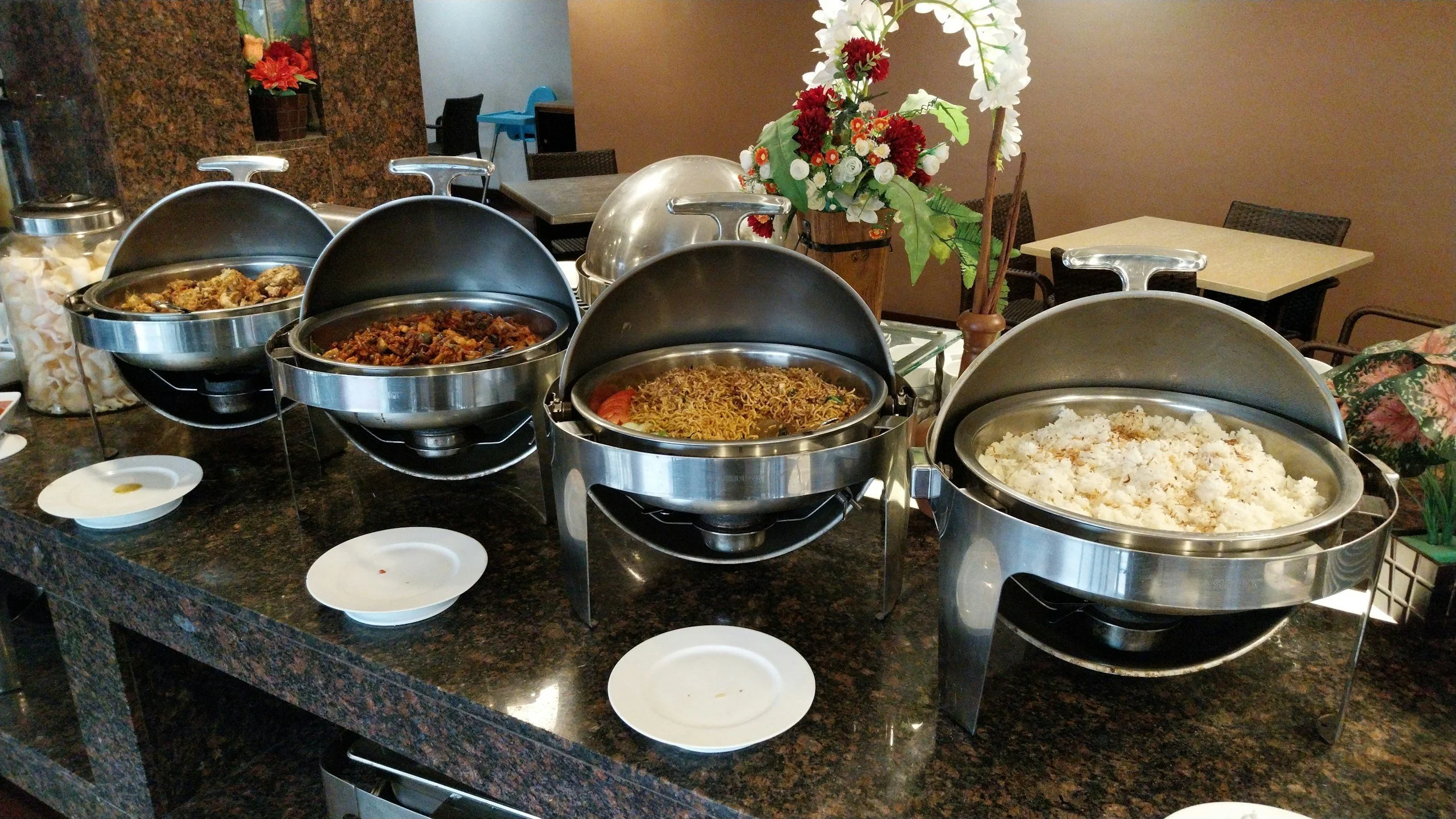
Buffet is the most common choice for graduation parties, and for good reason. Guests move at their own pace, food stays accessible throughout the event, and it scales well regardless of headcount. A well-organized buffet with two or three protein options, a couple of sides, and a salad covers most bases without overcomplicating things.
Heavy Appetizers or Grazing Stations
If your party leans more social than sit-down, heavy appetizers work well. Think charcuterie, sliders, mini tacos, skewers, and dips with bread or chips. This format keeps energy up, encourages mingling, and tends to be easier to manage over a longer window. It also photographs well, which matters for an event full of people with phones.
Plated Meals
Less common for graduation parties but worth considering if your guest list is smaller and more defined. A plated meal creates a more intentional atmosphere and works well for evening events or when the graduate wants something a bit more formal.
Drop-Off Catering
If you are handling setup and coordination yourself, drop-off catering gives you professionally prepared food without the overhead of a full-service crew. This is a strong option for budget-conscious hosts who still want quality food without spending the event standing at a grill.
Menu Ideas by Party Style
Outdoor Backyard Party
BBQ protein options (pulled pork, grilled chicken, smoked brisket)
Corn on the cob, coleslaw, baked beans
Pasta salad and green salad
Dinner rolls or tortillas
Lemonade and iced tea station

Indoor Open House
Sandwich or slider station
Soup or mac and cheese in warmers
Veggie tray, fruit platter, chips and dip
Cookies, brownies, or a small dessert table alongside the cake
Evening Dinner Party (Smaller Guest List)
Salad course with two dressing options
Protein entree (chicken, beef, or fish) with two sides
Bread service
Plated or family-style dessert
Large Multi-Hour Event
Two protein options to accommodate preferences
Three to four sides that hold well over time
Snack stations to keep early and late arrivals satisfied
Replenishable dessert table rather than a single cake
Practical Tips for Getting the Food Right
Planning the food well before the day matters as much as the menu itself. A few things worth keeping in mind:

Count conservatively, plan generously. A good rule is to plan for about 10 to 15 percent more guests than your confirmed headcount.
Think about timing. Open-house style parties need food that holds well at temperature for two to three hours. Not everything does.
Label everything. With mixed crowds, labeling dishes for allergens and dietary considerations prevents a lot of awkward questions at the table.
Do not forget the non-food details. Serving utensils, plates, napkins, and trash access matter more than most hosts expect. If you are working with a caterer, confirm what is included.
Book early. Graduation season is one of the busiest times of year for catering companies. Locking in your date early gives you more menu flexibility and prevents last-minute stress.
How a Caterer Can Take the Work Off Your Plate
Handling food for a large event yourself is a significant undertaking. A professional caterer manages quantity, quality, timing, and presentation so you can spend the day with your family instead of in the kitchen. Whether you need full-service catering with setup and staff or a simple drop-off order you can manage yourself, working with a caterer gives you a level of consistency that is hard to replicate on your own.
If you are in Utah and looking for graduation party catering, Crystal's Catering serves throughout the state of Utah. Reach out to discuss menu options and availability for your event.
Frequently Asked Questions
How much food do I need for a graduation party? Plan for roughly half a pound of protein per guest and one to two sides per person. For open-house style events, plan for lighter portions since guests tend to graze over time rather than sit down for a full plate.
What is the most popular catering style for graduation parties? Buffet is the most common for medium to large parties. It scales easily and keeps guests moving without requiring a seating plan or formal timing.
How far in advance should I book a caterer for a graduation party? At least four to six weeks out, especially if your event falls in May or June. Catering demand peaks during graduation season and booking late limits your options.
Can caterers accommodate dietary restrictions? Most can, with advance notice. When you book, provide a summary of any known dietary needs in your guest list. A good caterer will build accommodations into the menu rather than treating them as afterthoughts.
Is drop-off catering a good option for graduation parties? Yes, especially if you are comfortable managing setup and service yourself. Drop-off catering gives you quality food at a lower price point than full-service and works well for smaller to mid-sized events.